Choosing the best italic fonts for magazine headlines sets the tone before the reader even processes the words. A well-chosen italic typeface adds elegance, urgency, or sophistication to a cover or feature spread. It draws the eye and establishes the publication's visual identity immediately.
When designing editorial layouts, italic fonts are often used to create contrast against standard upright text. You might reach for them when a headline needs to feel personal, dynamic, or slightly more refined than a bold, blocky sans-serif. This is especially true for fashion, lifestyle, and literary magazines where typography acts as a design element itself. If you are exploring different typographic styles, you might also want to look at how script typefaces can complement your article titles for a softer touch.
What makes an italic font work for a magazine headline?
Not every italic typeface scales well to large sizes. The best options maintain legibility while offering distinct character. Look for high contrast between thick and thin strokes, open counters, and a slight forward slant that feels intentional rather than mechanically skewed. Display italics, in particular, are designed specifically for large sizes and prevent the text from looking muddy or cramped.
Top font recommendations for editorial headlines
Here are a few standout choices that consistently perform well in print and digital editorial design.
- Playfair Display: A classic high-contrast serif that looks stunning in italics, perfect for fashion and lifestyle covers.
- Cormorant Garamond: This elegant serif offers beautiful, fluid italic variants that work wonderfully for literary or arts-focused publications.
- Ogg: A modern calligraphic serif with expressive italic strokes, ideal for adding a dramatic, high-end feel to feature spreads.
- Recoleta: A soft, retro-inspired serif whose italic version brings warmth and nostalgia to contemporary magazine layouts.
For more structured layout ideas, reviewing how designers apply italics within magazine editorial sections can help you maintain consistency across the entire issue.
How to pair italic headlines with body text
Contrast is your best friend here. If your headline uses a flowing, high-contrast italic serif, pair it with a clean, neutral sans-serif or a highly legible upright serif for the body copy. This prevents visual fatigue. Avoid using an italic font for both the headline and the body text, as the continuous slant can strain the reader's eyes over long paragraphs. When you need to refine your typographic hierarchy, exploring our guide to selecting the right display typefaces will give you a broader view of current industry standards.
Common mistakes to avoid in magazine typography
- Faux italics: Never use software to artificially slant an upright font. It distorts the letterforms and ruins the typography. Always use the font's actual italic or oblique variant.
- Ignoring tracking: Italic fonts often require slightly tighter or looser letter spacing depending on the specific design. Test your tracking at the actual headline size.
- Poor color contrast: Thin italic strokes can disappear against busy background images. Always ensure there is enough contrast between the text and the underlying photo or graphic.
Practical next steps for your next issue
Before finalizing your next cover or feature spread, run through this quick checklist:
- Select a dedicated display italic font, not a standard body text italic.
- Test the headline at 100% scale to check for legibility and stroke clarity.
- Pair the italic headline with a neutral, upright body font.
- Verify that the text color stands out clearly against the background image.
- Print a physical proof or view the digital mockup on a calibrated screen before sending to press.
 Mastering Italics for Editorial Sections
 Graceful Script Fonts for Captivating Magazine Titles
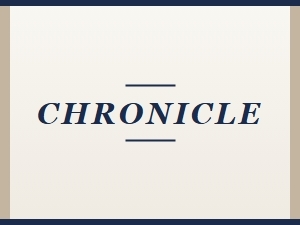 Mastering Magazine Masthead Script Typography
 Sleek Italic Fonts for Magazine Column Layouts
 Mastering Sans-Serif Fonts for Magazine Articles
 Essential Sans-Serif Fonts for Corporate Magazines